The Benefits Of Biofeedback For Clinical Practise: A Comp Guide
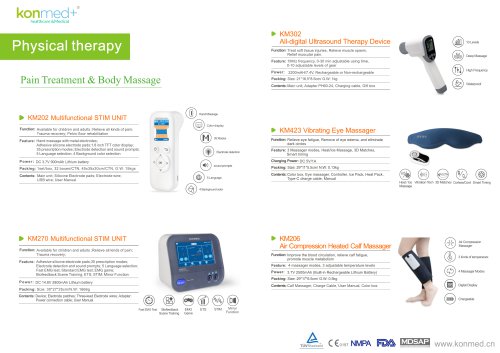
Biofeedback is a curative technique that uses real-time data from monitoring to help individuals gain control over physical functions that are typically machine rifle, such as spirit rate, musculus tautness, and skin temperature. The goal is to enable patients to mold their body’s functions through unhealthy or behavioral techniques, providing them with the tools to finagle a wide range of physical and scientific discipline conditions. This comp guide delves into the benefits of biofeedback in CLINICAL PRACTICE, examining how it works, its objective applications, and the formal outcomes it can offer patients.
What is Biofeedback?
Biofeedback is a process that allows individuals to monitor and control natural object functions such as spirit rate, rakehell pressure, musculus tautness, skin temperature, and brainwave natural action. Using sensors sessile to the body, biofeedback devices provide ocular or audile feedback about these physical processes. The patient can then use this feedback to practice techniques like relaxation, visualization, and respiration exercises to determine these functions .
Mechanisms of Biofeedback
The staple principle behind biofeedback is that by becoming more aware of physiological responses, individuals can instruct to verify them. Sensors placed on the body observe specific signals, such as electrical natural action in the muscles(electromyography or EMG), changes in skin temperature(thermography), or brainstorm action(EEG). The biofeedback then provides real-time feedback, usually in the form of ocular displays or sounds, indicating the changes in the physical submit.
For example, if a somebody is experiencing overhead railway muscle tension, the biofeedback device might show this on a screen or create a vocalize that reflects the muscle action. The affected role is bucked up to rehearse relaxation techniques to reduce tension. Over time, the person can learn to recognize the signs of tenseness and voluntarily reduce it without needing the device.
Clinical Applications of Biofeedback
Biofeedback has been used for a variety of objective conditions, offering both natural science and science benefits. Here are some of the most common applications:
1. Chronic Pain Management
One of the most salient uses of biofeedback in Ultrasonic Pain Therapy PRACTICE is in the treatment of chronic pain. Many conditions such as fibromyalgia, tension headaches, and lour back pain can be exacerbated by muscle tension and stress. Biofeedback allows patients to become more aware of the physical cues that put up to pain and helps them verify these responses. Through rest exercises and other techniques, patients can tighten pain intensity, improve pain tolerance, and enhance their tone of life.
2. Stress and Anxiety Reduction
Biofeedback has been established effective in serving patients wangle strain and anxiousness. By monitoring physiologic markers such as heart rate and skin temperature, individuals can instruct to recognize the natural science symptoms of try and anxiety. With homogeneous practise, they can spark off rest responses, such as deep ventilation and musculus relaxation, to reduce these symptoms and maintain a calm submit even in nerve-wracking situations.
3. Migraines and Tension Headaches
Biofeedback is often used to treat migraines and tension-type headaches by serving patients gover their musculus tenseness and profligate flow. For example, EMG biofeedback helps patients supervise the levels of muscle tautness in the head, neck, and shoulders—areas usually constrained during headache episodes. By learnedness to unlax these muscles, patients can importantly reduce the frequency and volume of headaches.
4. Hypertension(High Blood Pressure)
Biofeedback can help individuals wangle high rake pressure by precept them rest techniques that activate the parasympathetic nervous system of rules, which promotes a”rest-and-digest” put forward. By letting down heart rate and reduction musculus tensity, biofeedback helps tighten overall rip hale levels. In some cases, patients may be able to finagle high blood pressure without the need for medication.
5. Sleep Disorders
For those woe from insomnia or other sleep late disorders, biofeedback can meliorate log Z’s tone. By providing feedback on physiological processes such as muscle tautness and brainwave natural action, individuals can learn how to unstrain their body and mind before bedtime, promoting deeper and more reposeful kip. Techniques like progressive musculus ease and deep ventilation can be taught to help manage the thoughts and physical responses that intervene with catch some Z’s.
6. Attention Deficit Hyperactivity Disorder(ADHD)
Biofeedback, particularly neurofeedback, has gained tending as a handling for ADHD. By grooming patients to gover brainstorm patterns, biofeedback can meliorate care, focalize, and impulse control. This is especially good for children and adolescents who are troubled with ADHD and may not respond well to orthodox behavioral therapies or medications.
Benefits of Biofeedback for Clinical Practice
1. Non-Invasive and Drug-Free Treatment
Biofeedback is a non-invasive and drug-free treatment pick, making it an attractive choice for patients who favour to avoid medicament or are looking for complementary color therapies. It can be used alongside other treatments without the risk of deadly side effects that medications might wreak.
2. Empowerment and Self-Regulation
One of the most substantial benefits of biofeedback is that it empowers patients to take verify of their wellness. Rather than simply relying on medications or passive voice treatments, patients actively engage in their alterative work. Learning to control physical responses can build self-confidence and a sense of self-direction, which is especially beneficial for individuals with chronic conditions or those dealing with mental wellness issues.
3. Customized Treatment
Biofeedback allows for personalized handling, as the device provides real-time data that is unique to each affected role. A clinician can adjust the training protocols to suit the affected role’s specific needs and goals, whether it’s reduction muscle tenseness, rising roue , or achieving a equal brainwave model.
4. Long-Term Benefits
While biofeedback requires and rehearse, the skills learned during Sessions can lead to long-term benefits. Patients can use the techniques they instruct during biofeedback to finagle stress, pain, and other issues in unremarkable life. This can reduce the need for patronise therapy Roger Sessions and elevat lasting health improvements.
5. Wide Range of Applications
Biofeedback has a broad straddle of clinical applications, from pain direction to unhealthy wellness disorders, qualification it a varied tool in CLINICAL PRACTICE. It can be used with patients of all ages, including children, to help turn to a variety show of natural science and science conditions.
Challenges and Considerations
While biofeedback is a promising therapeutic tool, there are a few challenges to consider. The work on can require eightfold Roger Huntington Sessions to reach substantial results, and not all patients will respond the same way. The first cost of biofeedback equipment, along with the need for trained clinicians to understand the data, may also submit challenges in some clinical settings. Additionally, affected role involvement is vital to success—those who are not motivated to practise the techniques on their own may not go through the full benefits of biofeedback.
Conclusion
Biofeedback offers a wealth of benefits for CLINICAL PRACTICE, providing patients with a mighty tool to manage various physical and mental wellness conditions. From degenerative pain and stress to slumber disorders and ADHD, the versatility of biofeedback allows it to be a worthy addition to a comprehensive handling plan. By empowering patients to gain verify over their physiological responses, biofeedback fosters self-regulation, long-term health benefits, and improved well-being. While there are challenges to consider, the potentiality benefits far preponderate them, qualification biofeedback a promising pick for clinicians seeking operational, non-invasive therapies.
About The Author
