Science and Strategy Behind High Performance Adhesive Labels for Deodorant Packaging
In the highly competitive personal care market, deodorant packaging serves as the critical first touchpoint between brands and consumers. The adhesive label applied to each deodorant container performs multiple essential functions—it communicates brand identity, conveys product benefits, ensures regulatory compliance, and withstands the rigors of daily use. More than just decorative elements, these specialized labels must balance aesthetic appeal with practical durability, creating a silent yet powerful sales tool that works tirelessly on retail shelves and in consumers' bathrooms. This comprehensive examination explores the technical considerations, creative possibilities, and strategic imperatives that define successful deodorant label solutions in today's market.
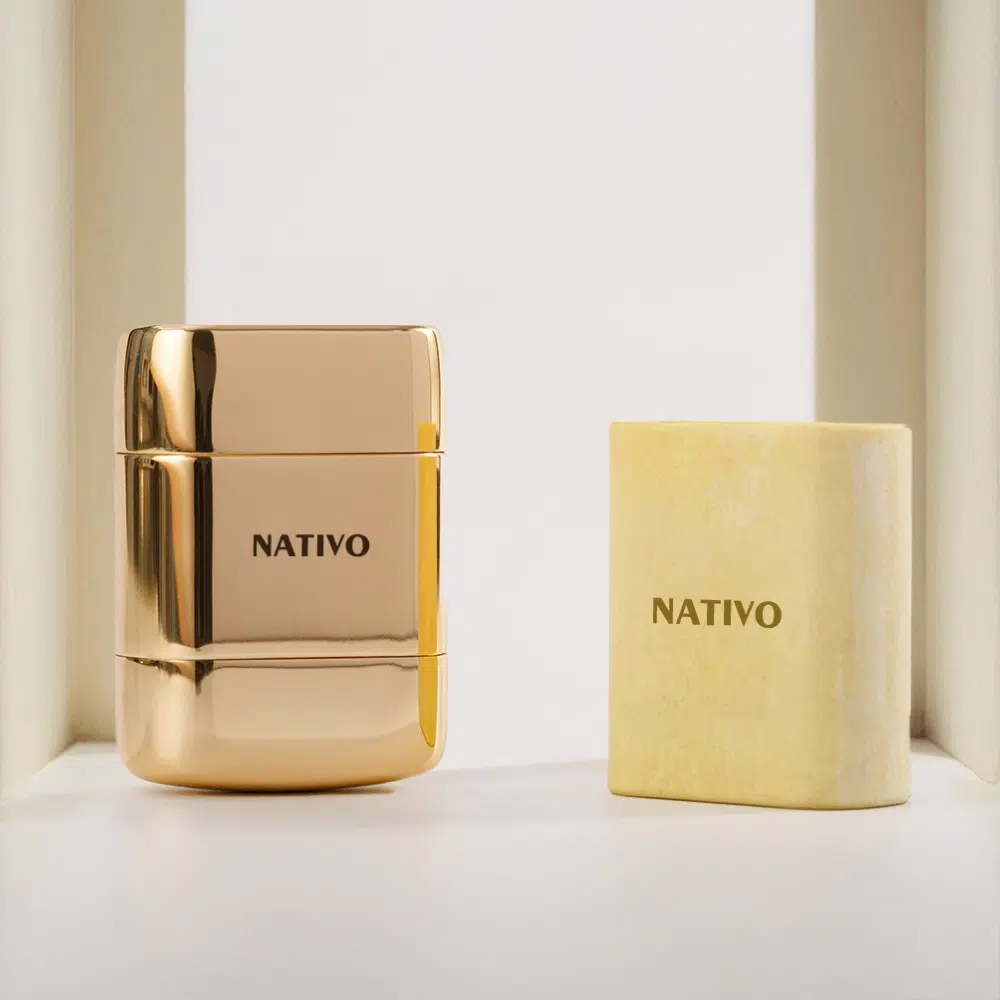
The Multifunctional Role of Deodorant Labels
Modern deodorant labels serve as sophisticated communication platforms that extend far beyond basic product identification. On the most fundamental level, they must immediately signal brand identity through distinctive visual elements—color schemes, typography, and graphic treatments that create instant recognition in crowded retail environments. Simultaneously, these compact design canvases must communicate complex product information including ingredients, usage directions, and regulatory warnings, all while maintaining an uncluttered, appealing appearance. The challenge intensifies when considering the physical demands placed on deodorant labels, which must maintain adhesion and legibility despite constant exposure to moisture, temperature fluctuations, and friction from handling and application.
The psychological impact of label design cannot be overstated. Consumers form subconscious judgments about product quality and effectiveness within milliseconds of viewing packaging, with label aesthetics playing a decisive role. Premium brands often employ textured finishes, foil stamping, or embossed elements that convey luxury through tactile experience, while value-oriented products might emphasize bold colors and straightforward messaging to communicate affordability. Between these extremes, a growing segment of natural and sustainable deodorant brands utilizes earthy color palettes and matte recycled materials to visually reinforce their environmental commitments. Each approach demonstrates how strategic label design can align with broader brand positioning to create cohesive, compelling product presentations.
When selecting materials for deodorant container labels, manufacturers must consider both the curvature of the packaging and the product's usage environment. The adhesive properties must account for potential moisture exposure while maintaining flexibility to conform to various container shapes without wrinkling or lifting at the edges.
Label Varieties and Their Strategic Applications
The deodorant market offers diverse labeling solutions, each with distinct advantages for specific product types and brand strategies. Pressure-sensitive labels remain the most common choice, providing cost-effective application and reliable performance across various container materials. These self-adhesive labels utilize advanced facestocks and adhesives engineered to withstand the humid bathroom environments where deodorants typically reside. For brands prioritizing visual impact, shrink sleeve labels deliver 360-degree coverage that transforms the entire package into a branding canvas. This technology allows for vibrant, high-resolution graphics that wrap seamlessly around complex container shapes, creating shelf presence that standard labels cannot match.
At the premium end of the spectrum, in-mold labels (IML) integrate the label directly into the container during the manufacturing process, creating a smooth, seamless surface that resists peeling and wear. Luxury brands favor this approach for its sophisticated appearance and exceptional durability. Meanwhile, environmentally conscious brands increasingly turn to sustainable label options featuring recycled materials, plant-based adhesives, and biodegradable facestocks. These eco-friendly alternatives meet growing consumer demand for reduced environmental impact without sacrificing performance. The historical evolution of deodorant packaging reveals how label technologies have advanced from simple paper stickers to sophisticated systems incorporating tamper evidence, anti-counterfeiting features, and interactive elements like QR codes.
| Label Type | Key Advantages | Ideal Applications |
|---|---|---|
| Pressure-Sensitive | Cost-effective, versatile application, wide material selection | Standard stick and roll-on deodorants |
| Shrink Sleeve | Full-container coverage, high visual impact, complex shapes | Premium sprays and unique container designs |
| In-Mold | Superior durability, seamless appearance, premium feel | Luxury and high-end deodorant products |
| Sustainable | Eco-friendly materials, aligns with green branding | Natural and environmentally focused brands |
Precision Engineering: Adhesives and Application Science
The adhesive systems behind deodorant labels represent feats of chemical engineering tailored to specific product requirements. Permanent acrylic adhesives provide the strong bonding needed for long-term durability, resisting the humidity and temperature changes inherent in bathroom environments. These formulations maintain their grip even when applied to challenging surfaces like high-density polyethylene (HDPE) commonly used in deodorant packaging. For products requiring repositionability during application, removable adhesives offer initial tack that allows adjustment before forming a permanent bond, eliminating unsightly wrinkles or misalignments.
Specialized adhesive technologies address unique deodorant packaging challenges. Sweat-resistant formulations prevent label degradation from product residue or user perspiration, while low-temperature adhesives ensure proper bonding for products stored in cool environments. The growing popularity of refillable deodorant container systems has spurred development of adhesives that maintain performance through multiple use cycles, resisting the wear caused by repeated handling. Advanced adhesive systems now incorporate antimicrobial properties to inhibit bacterial growth—a valuable feature for products used in personal care applications where hygiene is paramount.
Permanent Adhesives
Form strong, irreversible bonds ideal for long-term product labeling that must withstand moisture and handling.
Removable Adhesives
Allow label repositioning during application without leaving residue, perfect for precise placement on curved surfaces.
Sweat-Resistant Formulations
Specially engineered to maintain adhesion and print quality despite exposure to perspiration and humidity.
Low-Temperature Adhesives
Designed to bond effectively in cooler environments where standard adhesives might fail to properly set.
Creative Design Strategies for Maximum Impact
Innovative deodorant label design balances artistic expression with practical communication needs. Minimalist approaches employing clean typography and ample negative space convey sophistication and purity, particularly effective for natural and clinical-positioned products. These designs often feature subtle textured finishes or spot varnishes that add tactile interest without visual clutter. At the opposite extreme, bold graphic treatments with vibrant colors and dynamic patterns create shelf-stopping impact for brands targeting younger, design-conscious consumers. The strategic use of metallic inks, holographic effects, or thermochromatic pigments can further differentiate products in competitive market segments.
Typography plays a crucial role in establishing brand personality and ensuring critical information remains legible. Sans-serif typefaces project modernity and cleanliness, while carefully selected script fonts can add artisanal or feminine touches. All typographic elements must maintain readability at small sizes for mandatory regulatory text, with sufficient contrast against background colors. Information hierarchy guides the viewer's eye from primary brand messaging to secondary benefits and finally to required disclosures, creating a natural flow that makes the product story easy to absorb at a glance. Successful designs also consider how graphics will wrap around three-dimensional containers, ensuring key elements remain visible from primary viewing angles.
Meeting Regulatory Requirements with Strategic Design
Deodorant labeling must navigate a complex landscape of regulatory requirements that vary by market and product type. In the United States, FDA regulations mandate specific information including product identity, net quantity, ingredient listing (with active ingredients called out separately for antiperspirants), manufacturer details, and any necessary warning statements. These requirements present design challenges as mandatory text often competes for space with brand messaging and aesthetic elements. Successful labels integrate compliance needs seamlessly into the overall design rather than treating them as afterthoughts—using consistent typographic hierarchies, discreet information panels, or creative spatial arrangements that satisfy regulations without sacrificing visual appeal.
International distribution introduces additional compliance considerations, as labeling requirements differ significantly across regions. The European Union's cosmetic regulations demand specific symbol usage and multilingual ingredient listings, while Asian markets may require additional testing certifications or localized content. Forward-thinking brands design labeling systems with global adaptability, incorporating modular elements that can be easily modified for different markets while maintaining core brand recognition. Digital solutions like QR codes increasingly supplement physical labels with region-specific regulatory content, reducing label clutter while ensuring full compliance. These strategies demonstrate how regulatory requirements can be transformed from constraints into opportunities for innovative label solutions.
Material Innovations and Sustainability
The push toward sustainable packaging has driven remarkable innovations in deodorant label materials. Traditional plastic facestocks are being replaced by compostable films derived from plant-based polymers that decompose in industrial composting facilities. Recycled paper options now incorporate post-consumer waste with specialized coatings that provide moisture resistance previously only achievable with virgin materials. Adhesive manufacturers have developed water-soluble formulations that allow labels to cleanly separate from containers during recycling processes, addressing a longstanding challenge in packaging sustainability.
These eco-friendly alternatives no longer require aesthetic compromise. Modern sustainable materials support high-quality printing with vibrant color reproduction and can incorporate specialty finishes like matte or soft-touch coatings. Some brands highlight their environmental commitment through intentionally visible recycled content—labels featuring subtle flecks or natural textures that visually communicate their sustainable origins. As consumers increasingly scrutinize product lifecycles, label materials become tangible evidence of a brand's environmental values, making material selection a strategic branding decision as much as a technical one.
The Future of Deodorant Label Technology
Emerging technologies are transforming deodorant labels from static information carriers into interactive brand engagement platforms. Smart labels incorporating near-field communication (NFC) chips enable consumers to access detailed product information, authenticity verification, or promotional content by simply tapping their smartphones. Augmented reality features trigger immersive brand experiences when viewed through mobile devices, bridging physical packaging with digital content. These innovations extend label functionality far beyond the physical constraints of the container, creating new opportunities for storytelling, customer education, and loyalty building.
Advances in digital printing enable cost-effective short runs and customization at scale, allowing brands to create limited edition designs or region-specific variations without traditional plate costs. Conductive inks are being developed to incorporate simple circuitry into labels for tamper evidence or freshness indication. As sustainability pressures grow, we're seeing development of labels that actually improve container recyclability—acting as oxygen barriers for sensitive formulations or incorporating enzymes that aid in plastic degradation. These cutting-edge solutions demonstrate how label technology continues to evolve, offering brands new ways to differentiate and add value in an increasingly competitive market.
About The Author
