Top Garage Door Solutions for a Sticking Door?
A sticking garage door is one of the most common problems homeowners face, and it often strikes at the most inconvenient moments. Whether your door refuses to close smoothly, jerks halfway through, or makes grinding noises, the right garage door solutions can save you time, stress, and unnecessary repair costs.
In this guide, you’ll explore the most reliable garage door solutions that address the root causes of sticking, along with step-by-step approaches anyone can follow. Because stuck doors can be frustrating and sometimes even dangerous, understanding garage door solutions becomes essential for keeping your home safe, secure, and functional.
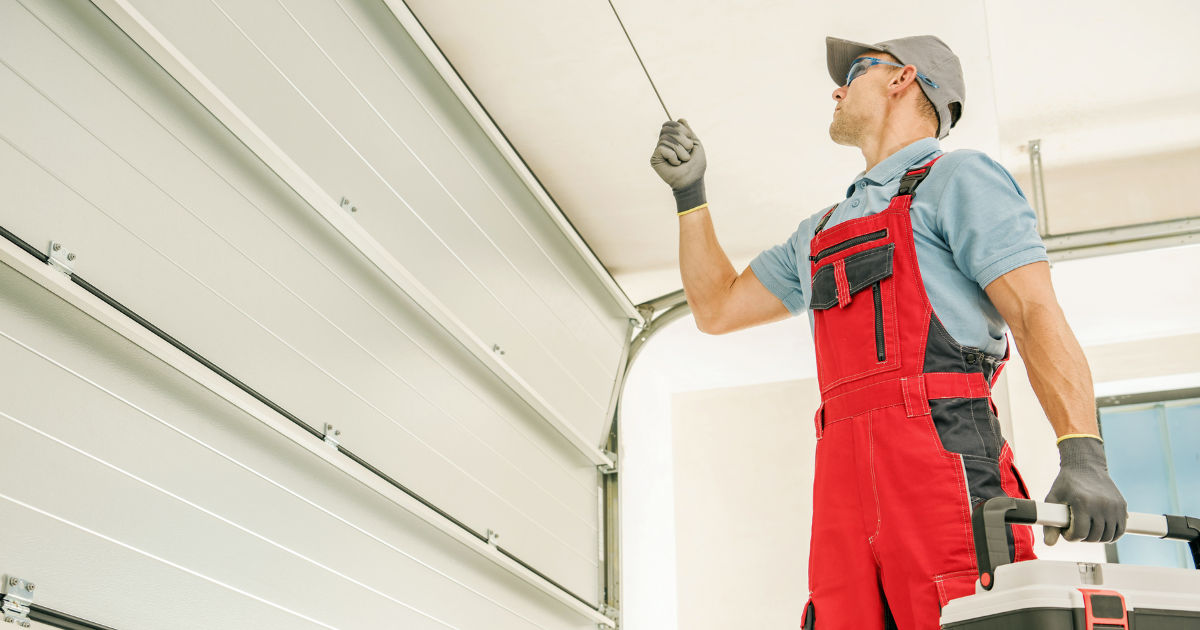
This comprehensive guide breaks down professional methods, DIY fixes, safety steps, and preventive care strategies. Whether you’re dealing with misaligned tracks, worn-out rollers, rust, or weather-related swelling, the garage door solutions listed here will help you restore smooth movement.
By the end, you’ll have a strong understanding of how to diagnose problems and apply the best garage door solutions confidently.
Why Garage Doors Stick
A sticking garage door never happens without a reason. Before applying any garage door solutions, it’s important to understand what’s causing the issue. Most sticking problems relate to alignment, friction, damage, or external conditions.
Mechanical Wear and Tear
Over time, hardware loosens, rollers wear out, and tracks bend. These small issues build up and lead to sticking. Mechanical problems usually respond well to basic garage door solutions like tightening hardware, replacing rollers, or realigning tracks.
Environmental Conditions
Humidity, moisture, and extreme temperatures affect wooden doors and metal components. When materials expand or contract, sticking becomes common. Seasonal garage door solutions often involve lubrication, sanding, or sealing.
Debris and Dirt Buildup
Dust, leaves, dried grease, and grime accumulate inside tracks. These foreign materials restrict movement and create uneven sliding. Cleaning is one of the simplest garage door solutions, yet it’s often overlooked.
Understanding the cause helps you match it with the correct garage door solutions and avoid unnecessary repairs.
Signs That You Need Immediate Garage Door Solutions
A sticking door is more than just inconvenient—it can signal deeper issues that require quick action. Here are warning signs indicating you need to apply garage door solutions right away:
Sudden Jerking or Stops
If your door suddenly halts or jerks midway, the tracks or rollers may be blocked. Immediate garage door solutions can prevent motor strain and costly repairs.
Loud Grinding Noises
Grinding, scraping, or squeaking noises indicate friction or damage. Applying lubrication or checking alignment are common garage door solutions for noise-related issues.
Uneven Door Movement
A door moving crookedly or sagging on one side often signals tension spring issues. This requires more careful garage door solutions, and sometimes professional help.
Inconsistent Opening or Closing
If your door behaves unpredictably, sensors or opener systems may be misaligned. Resetting sensors and inspecting wiring are useful garage door solutions in this case.
Top Garage Door Solutions for a Sticking Door
Below are the most effective garage door solutions used by professionals and homeowners to restore smooth operation. Each solution targets a specific cause of sticking.
1. Clean and Clear the Tracks
Dirty or obstructed tracks are one of the most common reasons doors stick. Before cleaning, disconnect the opener for safety.
What to Do:
-
Use a brush to sweep out dirt and debris.
-
Wipe the inside of tracks with a damp cloth.
-
Remove hardened grease or sticky residue.
-
Inspect for rocks, twigs, or objects blocking movement.
This simple step alone solves many problems and remains one of the easiest garage door solutions for beginners.
2. Lubricate All Moving Parts
Friction causes sticking, grinding, and jerking. Applying proper lubrication dramatically improves door movement.
What to Lubricate:
-
Rollers
-
Hinges
-
Pulleys
-
Tracks (light lubrication)
-
Springs
-
Chain drive or screw drive
Use silicone-based or lithium grease. Avoid WD-40 because it’s a cleaner, not a long-term lubricant. Routine lubrication is one of the most effective garage door solutions, especially for older doors.
3. Tighten Hardware and Bolts
Vibration loosens nuts, bolts, and screws. Loose hardware causes misalignment and sticking.
Steps:
-
Inspect every hinge and bracket.
-
Tighten bolts along tracks.
-
Re-secure opener brackets.
This quick fix is among the most essential garage door solutions for maintaining long-term stability.
4. Check Track Alignment
Misaligned tracks cause the door to get stuck at certain points. Track alignment requires careful adjustment but is manageable for many homeowners.
How to Align:
-
Loosen the screws holding tracks.
-
Gently tap them back into position.
-
Ensure tracks run parallel.
-
Tighten everything securely.
Track adjustment is one of the more advanced garage door solutions, but it dramatically improves movement when done correctly.
5. Replace Worn-Out Rollers
Worn, cracked, or rusty rollers are a major cause of sticking. Metal rollers rust, while plastic rollers crack with age.
Signs they need replacing:
-
Loud noises
-
Jerky movement
-
Visible wear
Replacing rollers is one of the most reliable garage door solutions for old systems and significantly extends door life.
6. Inspect and Adjust Springs
Springs balance weight. If they weaken or break, the door becomes heavy and difficult to move.
Types of Springs:
-
Torsion springs (above door)
-
Extension springs (along tracks)
Spring work is dangerous. While identifying the problem is useful, applying garage door solutions involving springs may require a professional to avoid injuries.
7. Fix or Adjust the Garage Door Opener
Sometimes the door sticks because the opener isn’t functioning properly.
Important Checks:
-
Test remote range.
-
Reset opener system.
-
Inspect for wiring issues.
-
Adjust opening/closing force settings.
Opener adjustments count as electronic garage door solutions and often resolve slow or sticking movement.
8. Realign Safety Sensors
Misaligned sensors often cause the door to stop mid-motion or reverse unexpectedly.
How to Fix:
-
Clean sensors.
-
Realign them so lights stay solid.
-
Tighten the brackets.
Sensor adjustment is one of the fastest garage door solutions for unpredictable door behavior.
9. Address Weather-Related Swelling
Wooden doors swell due to humidity, making movement difficult.
Solutions:
-
Sand swollen areas.
-
Apply sealant.
-
Improve insulation.
-
Install weatherstripping.
These moisture-related garage door solutions reduce friction and protect material from long-term damage.
10. Use Correct Weatherstripping
Damaged or swollen weatherstripping can rub against the floor and cause sticking. Replacing it is simple and prevents future issues.
This is one of the most cost-effective garage door solutions for improving smooth operation.
11. Straighten or Replace Bent Tracks
Even slight bends interfere with movement. Severe bends require replacement.
Track repair is among the advanced garage door solutions, best suited for professionals, but minor bends can be fixed using clamps and pliers.
12. Upgrade the Door Material
If your door sticks frequently due to age or swelling, upgrading the material might be necessary.
Options:
-
Steel
-
Aluminum
-
Composite
-
Modern insulated doors
Upgrading is one of the long-term garage door solutions that improves efficiency and reduces maintenance.
13. Improve Garage Ventilation
Poor air circulation leads to moisture buildup, causing metal parts to rust and wood to expand.
Improved ventilation is a preventive form of garage door solutions that keeps components dry and working smoothly.
14. Replace the Opener with a Stronger Model
If your garage door is heavy, your motor may be underpowered.
Newer openers provide quiet operation and smoother lifting, making this one of the more modern garage door solutions for homes with heavier doors.
DIY vs. Professional Garage Door Solutions
While many sticking issues can be fixed at home, some situations demand expert care.
DIY-Friendly Garage Door Solutions
-
Cleaning tracks
-
Lubricating parts
-
Tightening hardware
-
Sensor alignment
-
Weatherstripping replacement
Professional Garage Door Solutions
-
Spring replacement
-
Complex track repair
-
Motor or wiring issues
-
Structural damage
Knowing the difference saves time and ensures safety.
Preventive Maintenance: The Best Long-Term Garage Door Solutions
Preventive care is the most important part of keeping your door from sticking again.
Key Preventive Steps:
-
Regular lubrication
-
Cleaning tracks monthly
-
Inspecting hardware quarterly
-
Checking weatherstripping
-
Monitoring noise changes
-
Keeping sensors clean
Preventive garage door solutions help avoid costly repairs and extend the life of your system.
Seasonal Garage Door Solutions
Different seasons affect garage doors in different ways.
Winter Solutions
-
Apply cold-resistant grease.
-
Remove ice around the base.
-
Use insulation to prevent swelling.
Summer Solutions
-
Reduce friction with lubrication.
-
Prevent track expansion with proper shading.
-
Check rollers for heat damage.
Seasonal maintenance ensures your garage door solutions remain effective all year.
Safety Tips When Applying Garage Door Solutions
Always keep safety first. Garage doors can weigh over 150 pounds, and some components remain under high tension.
Safety Guidelines:
-
Disconnect the opener before working.
-
Never attempt spring adjustments without training.
-
Use proper tools.
-
Wear gloves and safety glasses.
-
Test the door manually before reconnecting power.
Safe practices ensure your garage door solutions improve your door rather than endanger your home.
Conclusion
A sticking garage door can turn an everyday routine into a frustrating experience, but with the right knowledge of effective garage door solutions, you can tackle the problem confidently and efficiently. Understanding the cause is the first step to choosing the best approach. Whether the issue involves dirty tracks, worn rollers, weak springs, swollen wood, or sensor misalignment, each challenge has reliable garage door solutions that restore smooth, quiet operation.
This guide showed you how to diagnose problems, apply practical fixes, and maintain a healthy garage door system. Proper lubrication, regular cleaning, tightening hardware, and seasonal adjustments are among the most important garage door solutions you can apply yourself. Meanwhile, complex issues involving springs, tracks, and motors should be handled by trained professionals to ensure safety.
Sticking doors often worsen over time if ignored, but consistent preventive care keeps your door functioning smoothly for years. By practicing routine inspections and applying the right garage door solutions, you protect your home's security, maintain convenience, and avoid costly repairs.
A well-maintained garage door doesn’t just operate better—it lasts longer, performs safer, and adds value to your home. When you use the right garage door solutions, you ensure your garage door remains reliable, efficient, and trouble-free throughout every season.
About The Author
