Using a Well Logging Simulator to Make Exploration for Oil and Gas More Successful
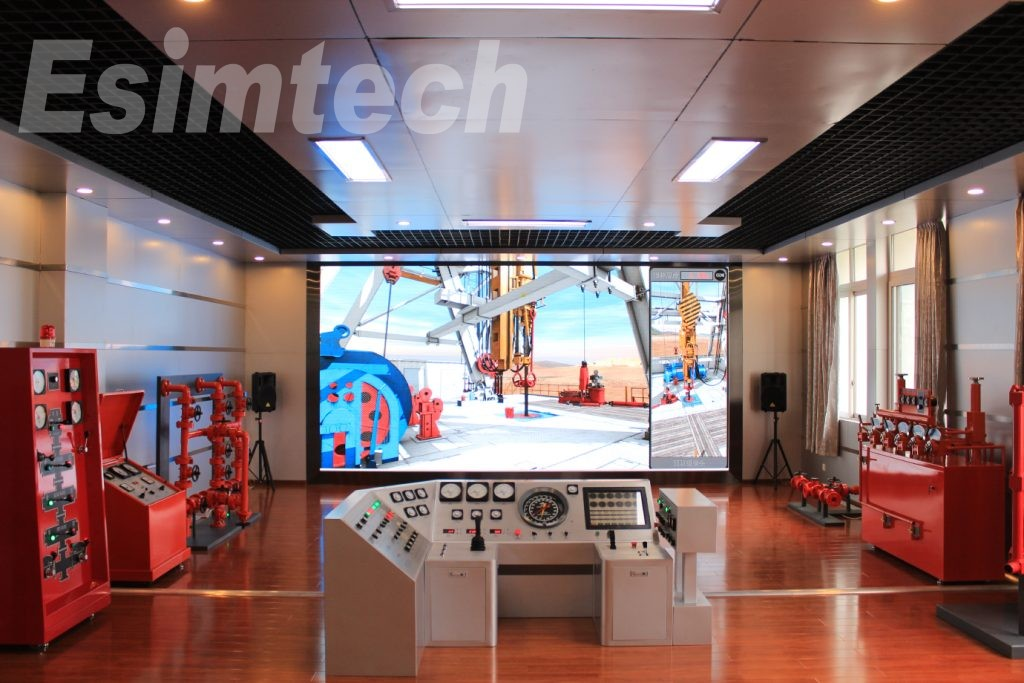
The process of "well logging" is an essential one in the oil and gas industry. It is used to gather important data about the geology of the subsurface, the characteristics of the reservoir, and the fluid content of a well. Using specialized equipment and sensors, it involves determining the rock formations' densities, porosities, permeabilities, and resistivities, as well as other physical characteristics, such as porosity and permeability. Data collected from logging wells provides geoscientists and engineers with the information they need to make educated decisions regarding the viability and profitability of drilling and production activities.
The acquisition of data for well logging, on the other hand, is a process that is both time-consuming and expensive. It requires sending equipment downhole and then retrieving it after each measurement. In addition, the data that is collected is frequently difficult to understand and requires highly developed analytical skills in order to be effectively interpreted and visualized. The use of well logging simulators, which provide a method that is both efficient and cost-effective for training personnel, evaluating equipment, and testing various exploration scenarios, comes into play at this point.
A computer program is referred to as a well logging simulator if well logging simulators models the physical properties of subsurface formations and simulates the measurements that are obtained by logging tools. Users are able to visualize and manipulate a variety of geological scenarios, make adjustments to the logging parameters, and see how those changes affect the measured data. In order to provide a representation of the logging process that is both accurate and realistic, well logging simulators make use of sophisticated algorithms and numerical models. These tools simulate the interactions that occur between the rock formations and the logging tools.
The oil and gas industry can realize a great number of benefits from utilizing well logging simulators. They make the training and certification of personnel less dangerous by providing a setting that is secure and under control, thereby lowering the likelihood of accidents and injuries. Simulators give operators the ability to evaluate various equipment configurations and testing scenarios without the need for time-consuming and financially burdensome field trials. This helps save both time and money. In addition, well logging simulators can help improve the accuracy and reliability of well logging data by locating and correcting measurement errors and uncertainties. This helps improve the overall quality of the well logging data.
There is a wide selection of well logging simulators available, ranging from straightforward 2D models to intricate 3D models that include a number of different logging tools and different strata of the geological formation. Some simulators are intended for particular logging processes, such as acoustic or nuclear logging, while others provide access to a wider variety of logging tools and strategies. For example, some simulators are designed for specific logging methods. In order to achieve a method of oil and gas exploration and production that is more unified and comprehensive, it is possible to combine the use of well logging simulators with the application of other software tools, such as geological modeling and reservoir simulation.
Real-time data visualization, interactive well planning, and machine learning algorithms are just a few of the additional features that can be found in more advanced well logging simulators. Users are able to monitor and conduct analysis on the well logging data as it is being collected thanks to real-time data visualization, which paves the way for speedy decision-making and the modification of logging parameters. In interactive well planning, operators have the ability to optimize the well trajectory and logging plan based on real-time data and geological models, which ultimately leads to improved drilling and production results.
In order to improve data analysis and interpretation, well logging simulators may incorporate learning algorithms developed through machine learning. Machine learning algorithms can find patterns and correlations in large datasets of well logging data that human analysts might miss. These algorithms work by analyzing the data to find patterns and correlations in large datasets of well logging data. This can lead to more accurate predictions of the properties of the reservoir, which in turn can lead to better decisions regarding drilling and production operations.
Well logging simulators are also becoming more accessible and user-friendly, with some platforms offering cloud-based services that can be accessed from anywhere with an internet connection. This makes it possible for users to access the simulators from their mobile devices. This enables businesses to save money on the cost of hardware and software while also providing a solution that is more flexible and scalable for the purposes of training and testing.
The oil and gas industry relies heavily on well logging simulators because they offer a method that is not only secure but also cost-effective and efficient for training personnel, evaluating equipment, and testing exploration scenarios. It is likely that as technology continues to advance, well logging simulators will become even more sophisticated and will be integrated with other software tools. This will result in oil and gas operations that are more efficient and sustainable.
About The Author
